Story, photos, video and audio by: Lady Kootoure
The term “misogyny,” as defined by Merriam-Webster, refers to “the hatred of, aversion to, or prejudice against women.” This deeply rooted sentiment is not confined to the entertainment industry; it permeates every layer of society, including the corporate world.
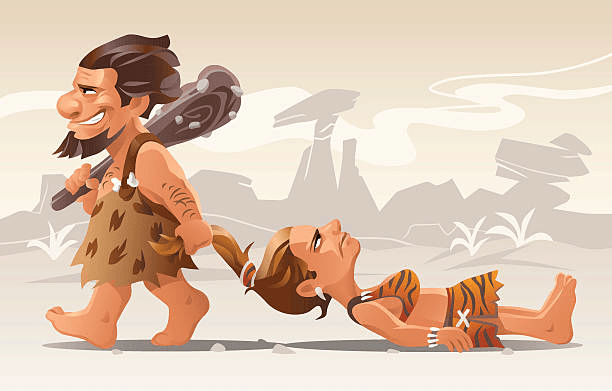
If we journey back to prehistoric times, we find a stark depiction of gender roles, where men assumed the role of providers and women were relegated to caretaking responsibilities within the home. During these ancient days, the dynamics of courtship were often brutal, with men resorting to forceful means to claim their partners, frequently dragging them back to their caves like trophies.
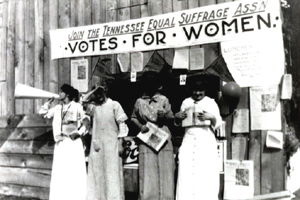
Fast forward to August 18, 1920—a pivotal moment in history when women were granted the right to vote through the ratification of the 19th Amendment to the Constitution. However, it’s crucial to recognize that this monumental shift primarily benefited white women, leaving many women of color sidelined. This complexity warrants a deeper examination and understanding.
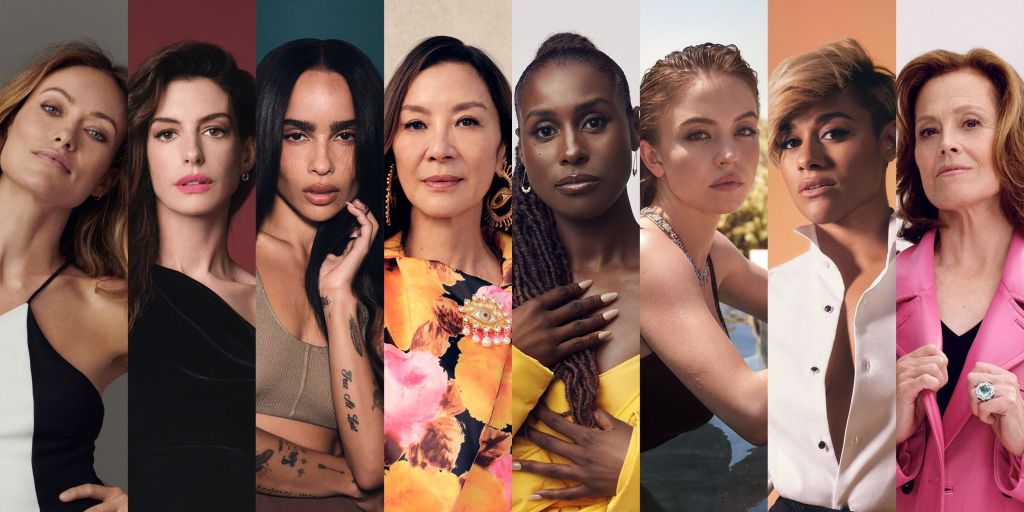
Misogyny, encompassing discriminatory and sexist attitudes, practices, and behaviors, is a persistent problem within the entertainment industry, affecting various facets, including film, music, and video games. This manifests in the underrepresentation of women, unequal pay, hostile work environments, sexual harassment, and the perpetuation of harmful stereotypes.
In the modern context, misogyny manifests itself in the entertainment industry as a multifaceted issue, where discriminatory and sexist attitudes permeate film, music, and video games. The impact is far-reaching, resulting in the underrepresentation of women, significant pay disparities, toxic work environments, pervasive sexual harassment, and the relentless perpetuation of harmful stereotypes. This environment not only stifles female creativity and ambition but also shapes cultural perceptions of women at large, creating an uphill battle for equity and respect across all spheres of life.
67% of women believe they’re paid less than their male colleagues for equal work.
Only 16% of women strongly believe they’re paid fairly and that gender bias does not impact their compensation.
Only 11% of women strongly believe that their male colleagues respect women as much as they respect other men in the workplace.
75% of women agree or are unsure of the perception that women with children are seen as less dedicated and competent compared to male colleagues because of their responsibilities at home.
Only 38% of Gen Z women strongly believe that women are well-represented in management roles, and Millennials (51%), Gen Xers (47%), and Baby Boomers (41%) feel the same way.
Only 54% of Gen Z women believe that women have as much of a chance as men to earn a management position at work—the least confident of all generations.
69% of all women agree or are unsure about management choosing a male colleague for a promotion over a woman solely because of gender.
82% of all women agree or are unsure that reporting gender bias or discrimination issues at work would lead to negative ramifications on job security or career advancement.
80% of all women agree or are unsure about men having less respect for women managers than they do for men in management positions.
Gen Z women (58%) are least confident in managers showcasing women in the workplace to ensure the same visibility as men, while Millennials (68%), Gen Xers (66%), and Baby Boomers (59%) are more confident in management.
Misogyny is not only in the corporate world, but also huge in the entertainment industry as well. The general population states that misogyny is just in Hip Hop, and since that is true, it is in every part of the industry and every genre.
In a recent interview, Columbus, Ohio’s own Mr. 365 gave his take on misogyny and what can be done to have women in the same place as men and be safe.
Women are a force to be reckoned with in entertainment, but they are never treated equally. When James Brown made the song, “This is a man’s world,” that is true to the core. He also says in the song, “It wouldn’t be nothing without a woman or a girl.” If this is true, then why aren’t women treated equally to men?
Ellen Chamberlain speaks at a Ted Talk about the misogyny in Hip Hop:
Legendary female rapper Roxxanne Shante was 15 years old when she went toe to toe with a male rapper. The judges said that she had one, but there was no way that they would let her win because she was a female, and it would not look right for her to win against a man.
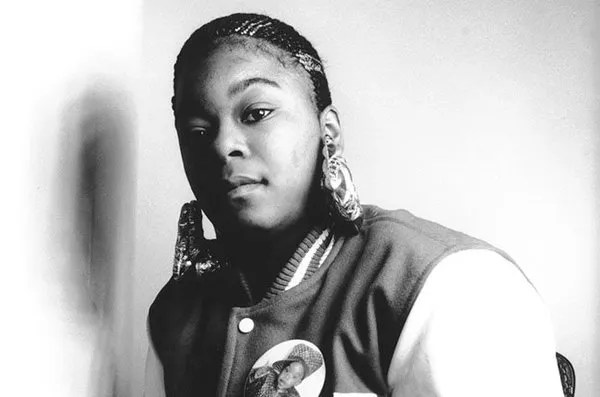
DJ Kire stated “We are CONDITIONED to believe only men can lead effectively!”
Let’s take it over to politics. There have been three qualified women who have run for President: Shirley Chisholm, Hillary Clinton, and former VP Kamala Harris. As we all know that the US Government is a male-dominated space. Some women hold a place in office, but to have a woman hold the highest position in the world is unheard of. Why is that? Karrin Vasby Anderson, a communications professor at Colorado State University, stated, “American voters tend to believe in the abstract that they support the idea of a woman candidate, but when they get the real women in front of them, they find some other reason not to like the candidate.”
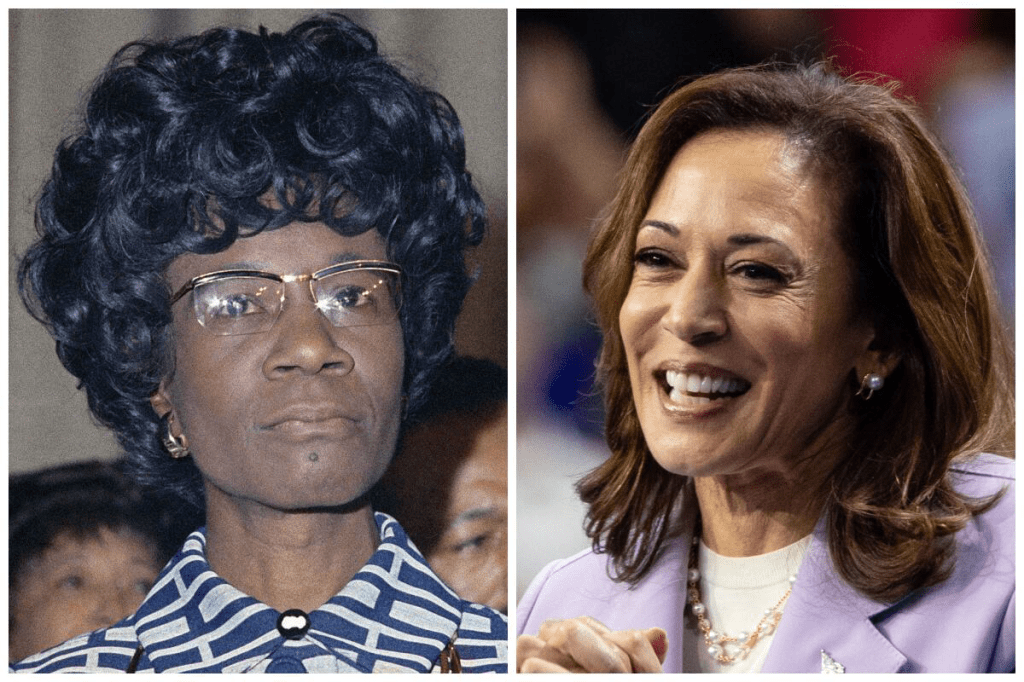
The late great Shirley Chisholm (L) and Former Vice President Kamala Harris (R)
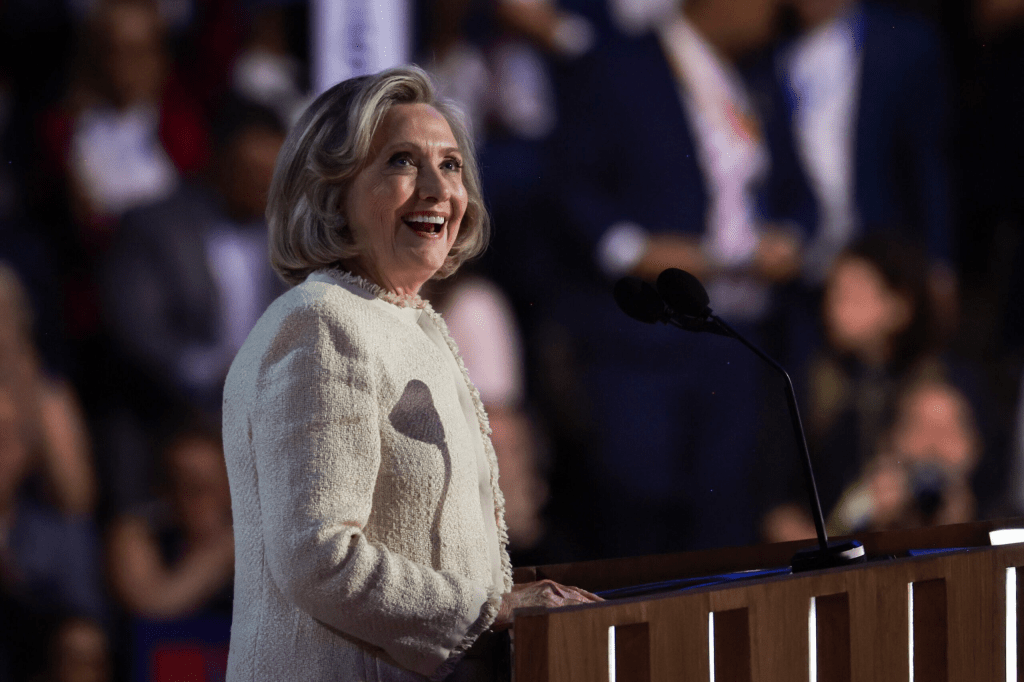
Former First Lady and President Candidate Hillary Clinton (2015)
They say women are too emotional or too sensitive, and when it is that time of the month that we would be in a war. As you can see, with this current administration, that is so far from true. Across social media, there is a fight that is going on between Trump and Elon Musk on what is being done wrong in this country. All the resources and access to help people in this country are being taken away. The question is, would a woman do all of this? Is it the fact that no man wants to take orders from a woman who has that much power?
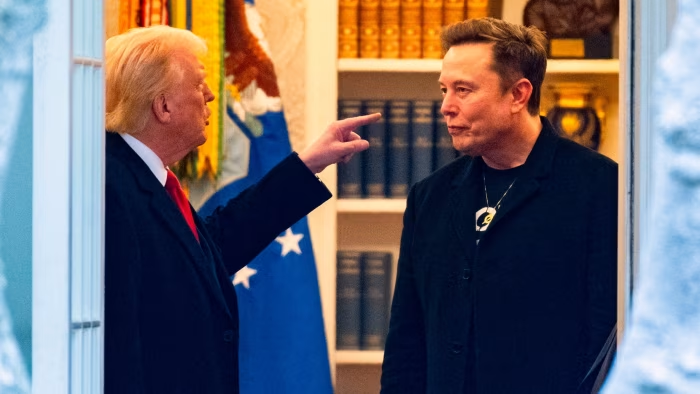
Trump and Elon Musk in The White House
Photo Credit: Financial Times
Do Trans women experience misogyny? Yes, they do, and they are being killed every hour for who they are. From Transgender Law Center, there is a term called Transmisogynoir, “a term coined by writer Trudy as the specific oppression of Black trans feminine people, where anti-Blackness, cissexism, and misogyny form a unique system of oppression.”
I had the chance to speak with the amazing and talented Delequa, a Black trans woman, and learn about how she overcame misogyny in the industry.
Misogyny is not only in politics, Hip Hop, or in other parts of the entertainment industry. It also takes place in the radio world and in podcasts. If you take a look back over the past few years, podcasting has been taking the world by storm. There have been topics about relationships, religion, cooking, families, and so on. Some of the biggest podcast like “Fit and Fresh” have shown misogynistic behavior from time to time by speaking down on women and what they would like to call “putting women in their place.”
Thank goodness, not all podcasts are like Fit and Fresh. There are a few podcasts that address topics that need to be discussed more often. My good friend Theo has a podcast called Please Don’t Irk Me, where he sits down with celebrity guests and locals and discusses hot topics, etc. He also has another podcast with his best friend Jade aka Pooh called I’m Not In The Mood Podcast, where they discuss on what is going today with each other. They have talked about mental health, Juneteenth and much more.
I got a chance to speak to Theo about misogyny in the radio/podcast world and how he handles the show with his best friend, Jada.
At the end of the day, we know that misogyny will never fade away, but there can be a few men who can be the change to allow women to take the lead in many things. The men have been in the driver’s seat for too long, and it is time for a new set of drivers.
 thekootoureexperience.blog
